
By Holistic Livestock Solutions (HLS)
Livestock is the backbone of Somaliland’s economy. It provides income for thousands of households, supports rural employment, contributes significantly to export earnings and supplies meat and milk to local markets. Yet, despite the sector’s importance, one of its greatest constraints remains the limited availability of quality animal feed.
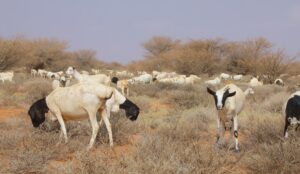
For many livestock producers, feeding practices still depend heavily on natural grazing. During the rainy seasons, pasture is generally available and animals perform reasonably well. However, when the dry season arrives, grazing areas become depleted, crop residues are exhausted and many farmers struggle to maintain the body condition of their animals. As a result, livestock lose weight, milk production declines, reproductive performance falls and farmers earn lower incomes.
A modern animal feed industry can help change this reality.
The Growing Demand for Quality Feed
Somaliland’s livestock sector is changing. Commercial dairy farms are expanding around urban centres such as Hargeisa, Berbera, Burao and Borama. Export-oriented livestock traders increasingly require animals that meet specific weight and health standards. Poultry farming is also growing as urban populations increase and demand for eggs and chicken meat continues to rise.
These developments have created a growing demand for reliable, affordable and nutritionally balanced animal feed.
Unfortunately, the supply of commercially manufactured feed remains limited. Many livestock owners either mix feeds using traditional methods or purchase imported products that are often expensive and not always formulated for local production systems. The absence of organized feed milling factories means that producers have few choices when seeking consistent, high-quality feed.
Why Feed Matters
Animal nutrition is one of the most important factors affecting livestock productivity. Healthy animals require balanced diets containing energy, protein, minerals, vitamins and adequate fibre. When these nutrients are supplied in the correct proportions, animals grow faster, produce more milk, reproduce more efficiently and become more resistant to disease.
Consider two dairy farmers managing similar herds. One relies solely on dry grass and crop residues, while the other supplements the same roughage with properly formulated dairy pellets. Over time, the second farmer is likely to obtain higher milk yields, healthier calves, improved fertility and better financial returns. Although feed represents a major production cost, it is also one of the best investments a farmer can make.
The same principle applies to sheep, goats, camels, beef cattle and poultry. Well-fed animals reach market weight sooner, require fewer days in feedlots and command higher prices in domestic and export markets.
A Strong Business Opportunity
The development of a modern feed industry presents significant investment opportunities.
Somaliland produces a range of agricultural by-products that can be incorporated into livestock feed, including sorghum, maize, wheat bran, sesame cake, molasses and limestone. With proper formulation and quality control, these locally available materials can be transformed into nutritious feed products that reduce dependence on imported feeds.
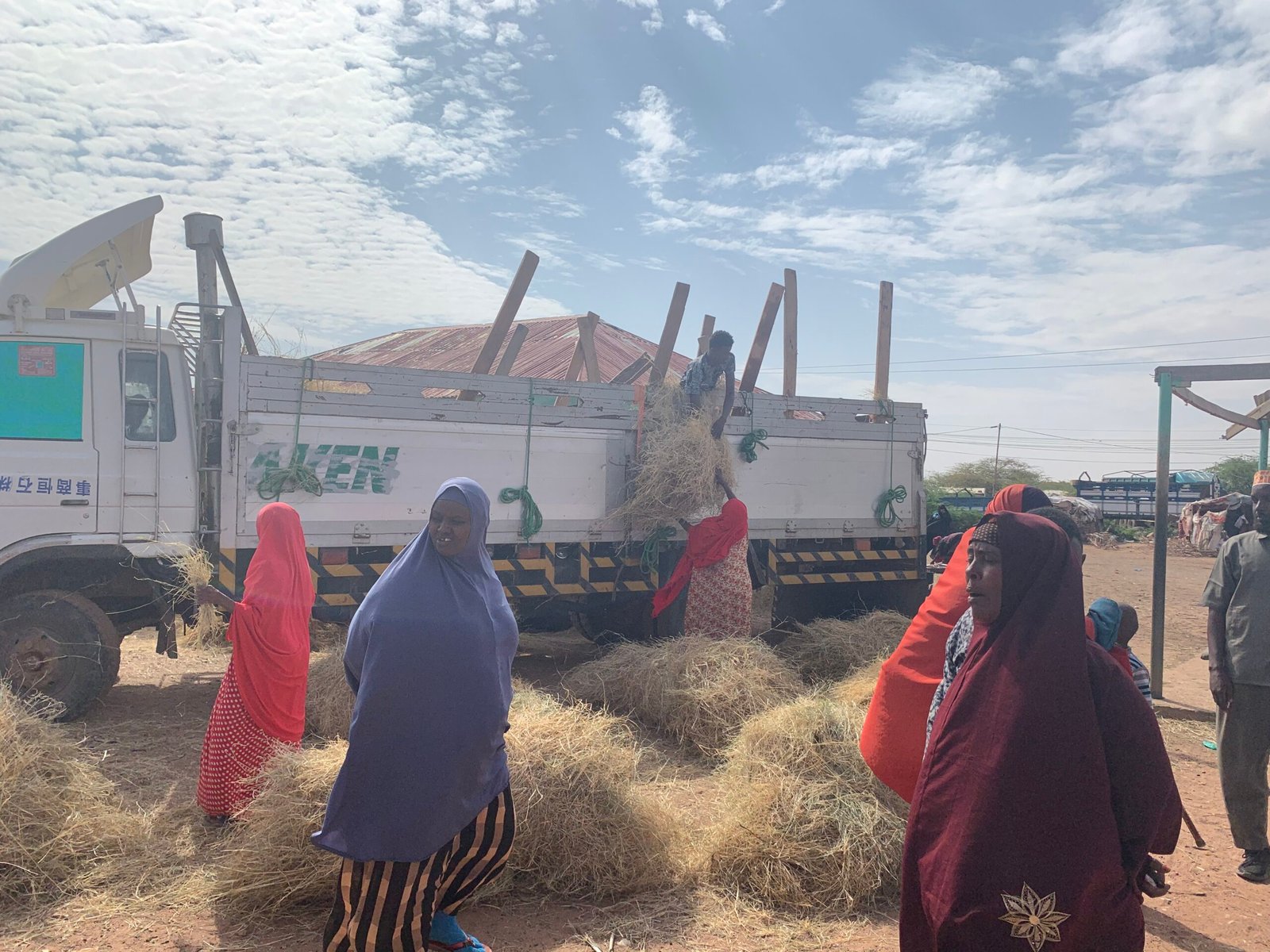
Investment opportunities extend beyond feed manufacturing itself. They include fodder production, raw material supply, transport services, feed distribution, quality testing laboratories, equipment maintenance, farmer training and technical advisory services. Each part of the value chain has the potential to create jobs and stimulate local economic growth.
Challenges That Must Be Addressed
Despite the opportunities, several challenges continue to slow the development of the sector.
Many feed ingredients are seasonal, making consistent supply difficult throughout the year. Quality standards for commercial feed are still developing, resulting in variations in product quality. Limited access to affordable finance restricts private investment in feed mills and storage facilities. High transport costs increase production expenses, while technical skills in feed formulation and quality management remain limited.
In addition, weak coordination between livestock producers, crop farmers, feed manufacturers, researchers and policymakers often limits the efficient use of locally available resources.
These constraints are significant, but they are not insurmountable.
Practical Policy Options
A stronger animal feed industry will require coordinated action by both the public and private sectors. Several practical measures can accelerate progress:
- Encourage private investment through affordable financing and investment incentives.
- Promote commercial fodder production to ensure year-round feed availability.
- Develop and enforce national feed quality standards to protect farmers and improve market confidence.
- Strengthen laboratory services for feed quality testing and nutritional analysis.
- Support farmer cooperatives to purchase feed collectively and reduce marketing costs.
- Invest in vocational training on feed formulation, feed mill operations and livestock nutrition.
- Encourage research on the use of locally available feed resources and agricultural by-products.
- Improve storage infrastructure to reduce post-harvest losses and stabilize raw material supplies.
- Foster partnerships among government, universities, development partners, financial institutions and private investors to support innovation and investment.
The Role of Holistic Livestock Solutions (HLS)
Modernizing Somaliland’s feed industry requires more than machinery, it requires knowledge, sound business planning and practical technical support.
Holistic Livestock Solutions (HLS) is committed to supporting this transformation by providing evidence-based advisory services tailored to the needs of farmers, investors, development partners.
HLS offers technical support in feed mill feasibility studies, business planning, feed formulation, livestock nutrition, market analysis, investment advisory, capacity building, and value chain development. The company also develops practical training materials and conducts professional training programmes that help livestock producers adopt improved feeding practices and strengthen the commercial viability of their enterprises.
By combining technical expertise with practical field experience, HLS aims to bridge the gap between traditional livestock production systems and modern, market-oriented agribusiness.