
By Dr. Farhan Ahmed Yusuf | Senior Livestock Consultant | Holistic Livestock Solutions (HLS) 2025
The Horn of Africa’s Fodder Paradox
The Horn of Africa hosts one of the world’s largest pastoral and livestock economies supplying millions of cattle, goats, sheep and camels to domestic and export markets annually. Yet across Somaliland and the countries in the region, fodder scarcity remains the number one constraint, limiting livestock production and productivity.
Livestock form the backbone of rural livelihoods, contributing food, income, jobs, exports, culture and resilience. However, seasonal feed shortages, rangeland degradation, drought cycles and low fodder investment continue to undermine production potential.
The emerging reality is clear: without deliberate fodder production, modern livestock finishing, dairy production and commercial farming cannot reach their true economic potential. A Successful Agribusiness needs inputs, know-how and investment.
Why Fodder Production Matters
Fodder production is more than planting grass. It is the foundation of a high-performance livestock system. Proper fodder supply determines weight gain, milk yield, reproduction, health, feed efficiency and profitability. It is the backbone of a resilient livestock economy. In a region where 70–80% of livelihoods depend on livestock; the availability of quality feed determines whether households thrive or fall deeper into vulnerability. No livestock system can perform without the quantity and quality of feed that sustains it. Where self-sufficient feed reserves exist, agribusiness segments thrive (poultry, dairy industry, feedlots, feed factories and livestock export), creating opportunities for youth, generating steady income, and driving inclusive rural growth.
For example, during the Hajj season, a large influx of livestock is exported to the Middle East, creating a surge in demand for ready feed to maintain animal body weight and ensure they meet export market standards. In 2023, 3,397,803 M heads of animals were exported from the port of Berbera.
As shown below, the calculations reveal an interesting reality.
Feed Requirement for 3,397,803 M heads of animals for a period of 19 Days
| Species | Daily Feed (kg/head) | Number of Animals | Days | Total Feed Required (kg) |
| Sheep & Goats | 3 kg | 3,175,650 | 19 | 181,012,050 kg |
| Camels | 12 kg | 162,153 | 19 | 36,970,884 kg |
| Cattle | 8 kg | 60,000 | 19 | 9,120,000 kg |
3,397,803 M heads of animals do require 227,103 MT of feed for 19 days whose value is equal to 45.42 million USD for 19 days only. These figures illustrate that the fodder value chain generates substantial socio-economic benefits for all actors involved and serves as a critical driver of the local economy.
Unfortunately, the country is able to meet only about 30% of this demand; the remaining feed is imported from overseas, resulting in significant economic leakage and missed opportunities for local producers. As a result, large amounts of cash flow out of the country, weakening the local economy and undermining the growth of domestic fodder enterprises.
2.1 Seasonal Scarcity Cycles: The Horn of Africa experiences long dry spells, irregular rainfall, frequent drought cycles and overgrazed rangelands, creating predictable fodder gaps that limit productivity.
2.2 Economic Losses: Fodder shortages result in body condition loss, reduced carcass quality, poor milk yields, mortality and early sale of livestock, representing millions of dollars in lost income annually. Fodder scarcity forces livestock keepers and agribusiness investors to rethink their production strategies and investment choices. Limited feed availability increases production costs, reduces animal performance and threatens business continuity. As a result, producers are compelled to carefully evaluate investments in feedlots, commercial livestock farms and sustainable land-use systems. This challenge also highlights the urgent need for improved fodder production, strategic feed planning and efficient utilisation of available resources to build resilient and profitable agribusiness enterprises.
This persistent fodder scarcity is a major impediment to meaningful investment in Somaliland and the wider Horn of Africa region, limiting the growth of commercial livestock enterprises and discouraging long-term agribusiness development.
Fodder Production as a Strategic Investment
Fodder production rapidly boosts livestock productivity and improves feed security. A reliable and affordable fodder supply is the backbone of a modern livestock economy. When fodder is consistently available, it opens the gateway for several high-value agribusiness segments to thrive. Livestock finishing farms gain the ability to produce animals with superior weight grades and earn premium export prices. The poultry sector becomes more stable and cost-efficient, reducing reliance on expensive imported feed ingredients. Dairy producers are able to maintain year-round milk production, improve animal health and reduce seasonal fluctuations in supply. Even the livestock export industry benefits from a steady supply of quality fodder, as well-fed animals meet stringent market requirements and achieve better survival rates along the supply chain. In essence, a strong fodder industry stimulates growth across the entire value chain, creating jobs, enhancing food security, and enabling investors to scale their operations confidently.
One tonne of poultry feed in Somaliland currently costs around USD 500 and almost all poultry farms remain net importers of feed. This heavy dependence on imported feed is a major bottleneck to the growth and sustainability of the poultry sector. Moreover, reliance on external suppliers exposes farmers to volatile international prices, shipping delays and currency fluctuations factors completely outside their control. As a result, many potential investors hesitate to expand or modernize their poultry farms due to unpredictable input costs. Without developing a reliable local feed industry, the poultry segment will continue to face structural challenges that limit its growth, resilience and contribution to national food
3.3 Export Competitiveness: Export markets demand uniform animals, consistent carcass quality, and SPS compliance all strengthened by reliable fodder production.
High-Potential Fodder Options for the Horn of Africa
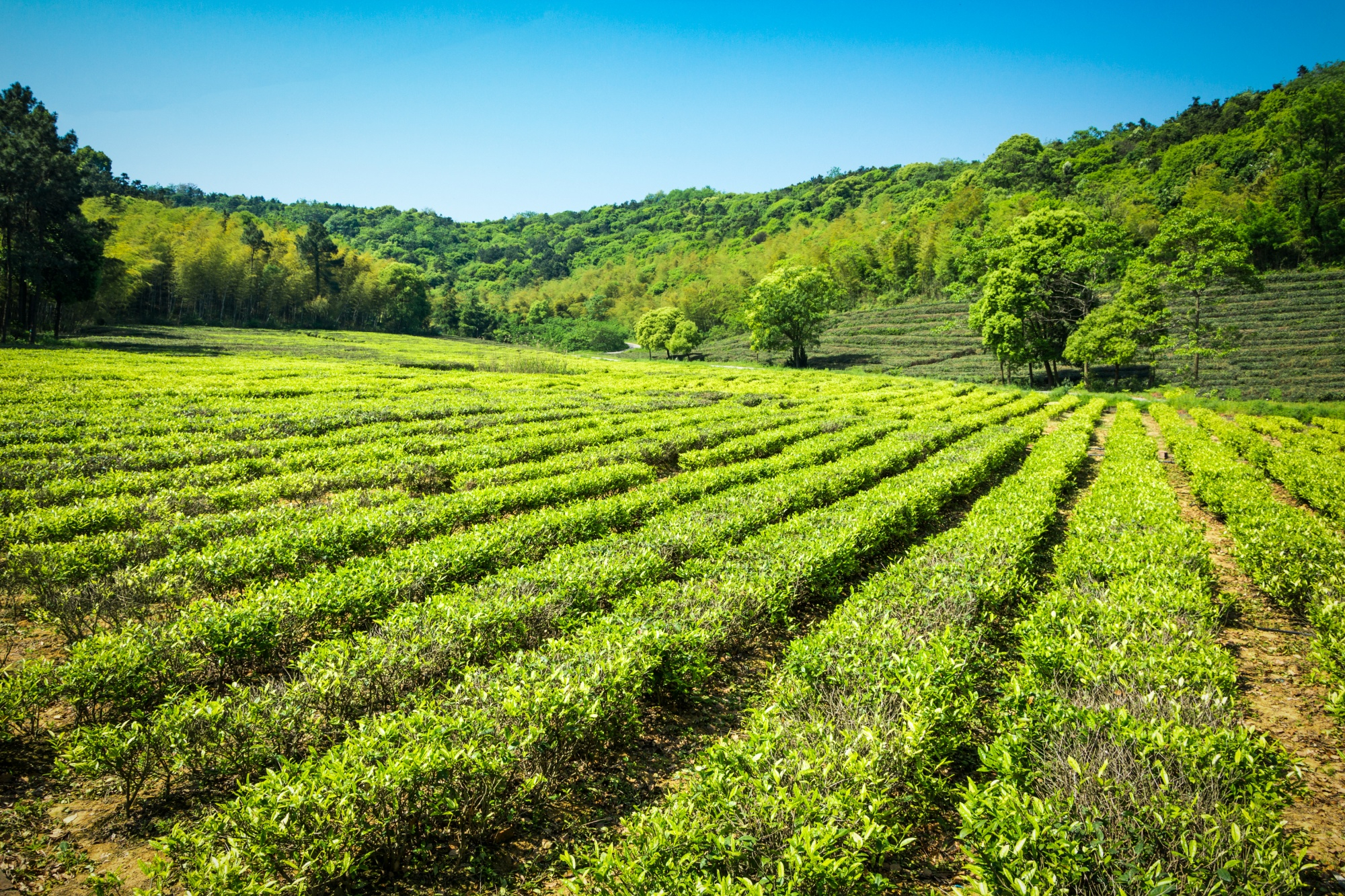
A wide range of climate-resilient fodder species have been introduced across Somaliland through government, NGO and private sector efforts, each contributing uniquely to closing seasonal feed gaps, boosting biomass supply and strengthening livestock productivity. Key grasses include Mulato II (Brachiaria hybrid) for its drought tolerance and fast regrowth; Panicum maximum (Guinea grass) for its high biomass under zero-grazing systems; Cenchrus ciliaris (Buffel grass) for its exceptional resilience and pasture rehabilitation value; and Eragrostis superba (Maasai love grass) for rangeland restoration. Dual-purpose cereals such as Gadam sorghum and millet provide both forage and grain, while sunflower offers green fodder when harvested early. High-protein legumes and shrubs, Lablab purpureus, pigeon pea (Cajanus cajan), Leucaena leucocephala, and Moringa oleifera, supply critical dry-season nutrition and enrich soils. In addition, sweet potato vines provide highly digestible fodder for dairy and small ruminants. Collectively, this diversified fodder portfolio strengthens drought resilience, restores degraded lands and enhances feed security for Somaliland’s evolving livestock sector.
The performance of these species has been tested and was exceptional, consistently demonstrating high biomass yield, drought resilience and reliable forage supply under Somaliland’s harsh production conditions and can be replicated, they only need a better management.
Introduced and Promoted Fodder Species in Somaliland
| Fodder Species | Type | Water Requirement | Crude Protein (%) | Yield (t DM/ha/year) | Notes |
| Mulato II (Brachiaria hybrid) | Grass | Moderate (600–800 mm/yr) | 12–16% | 10–15 | Highly palatable, drought-tolerant |
| Sweet Potato (vines) | Dual-purpose | Moderate to high (800–1200 mm/yr) | 10–13% | 5–10 | High energy; regrows quickly |
| Gadam Sorghum | Cereal | Low to moderate (400–600 mm/yr) | 6–9% | 8–12 | Dual-use; harvest before heading to avoid HCN |
| Millet (Pearl millet) | Cereal | Low (300–500 mm/yr) | 6–10% | 6–8 | Fast-growing, good for dry spells |
| Lablab purpureus | Legume | Moderate (500–800 mm/yr) | 18–22% | 6–9 | Protein-rich, fixes nitrogen |
| Moringa oleifera | Tree/shrub | Low to moderate (400–800 mm/yr) | 22–27% | 3–5 (leaves only) | Very high nutritional value |
| Leucaena leucocephala | Tree/shrub | Moderate (600–900 mm/yr) | 20–30% | 5–7 (leaves only) | High protein; manage mimosine toxicity |
| Panicum maximum (Guinea grass) | Grass | Moderate to high (700–1000 mm/yr) | 10–14% | 12–25 | High-yield, responsive to irrigation |
| Eragrostis superba | Grass (native) | Low to moderate (350–600 mm/yr) | 8–10% | 4–7 | Drought-resilient; reseeds rangelands |
| Pigeon Pea (Cajanus cajan) | Legume | Low to moderate (300–700 mm/yr) | 18–24% | 4–6 (leaves + stems) | Deep-rooted; improves soil |
| Sunflower (forage use) | Dual-purpose | Moderate (500–800 mm/yr) | 7–9% | 5–8 | Good energy source, used in silage |
| Cenchrus ciliaris (Buffel grass) | Grass | Low (250–500 mm/yr) | 6–10% | 5–10 | Drought-hardy; ideal for rangelands |
Conserved Fodder: Hay, Silage & Pellet Integration
To maintain year-round supply, fodder must be conserved effectively.
Haymaking: Ideal for Buffel and Sudan grasses; reliable dry-season reserves.
Silage: Suitable for maize, sorghum, Napier; excellent for finishing animals.
Pellet Integration: Combining pelleted rations with fodder increases efficiency and consistency.
Opportunities for Youth & Agripreneurs
Fodder production is one of the most underutilised agribusiness opportunities in the Horn of Africa. Youth can invest in fodder plots, hay baling, fodder trading, silage bagging, or seed production. Return on investment is fast; fodder can be harvested within 60–75 days.
The watersheds: in Togdheer region alone, there are 6 basins with 92000 ha of irrigable land (Kidane Giorgis, K., Yazew, E., & Assefa, G. (2020). Research, Development and Capacity Building for Sustainable Agricultural Development in Somaliland. April 2020).
For instance, the watersheds and catchments flowing from the Gollis Mountain ranges into the Oodweyne plains (Togdheer region) represent one of the region’s most underutilised natural assets. Despite their ecological and economic importance, the volume, flow patterns and agricultural potential of these seasonal water systems remain largely underuse. Each Gu and Deyr season, these watersheds transport nutrient-rich alluvial soils that could significantly improve fodder production, dryland farming and rangeland restoration, yet their actual utilisation by farmers is poorly below the potential. With limited data on runoff, recharge rates, sediment loads and current use, Somaliland risks missing an exceptional opportunity to convert natural hydrological flows into productive agricultural systems. Properly managed, these catchments could support earth dams, check dams, contour bunds and other water-harvesting structures that store water, reduce erosion and capture fertile silt. Mapping, monitoring and farmer-use assessments are therefore essential to unlock this hidden potential and guide climate-resilient land use, agricultural zoning and sustainable water development across the Oodweyne landscape.
Policy & Institutional Support Needed
Governments and institutions need to establish fodder credit lines, support youth enterprises, provide irrigation subsidies, develop fodder quality standards and promote mechanisation and baling. This potential can be fully tapped through science-backed initiatives that ensure the long-term, sustainable use of these productive valley systems. Catchment-based feed reserves can serve as a highly effective flagship programme, transforming seasonal water flows and fertile valleys into reliable, climate-resilient fodder production zones, supporting the livelihoods of producers, attracting large investment envelopes.
Conclusion
For the Horn of Africa to unlock its livestock potential, fodder must become a national priority. Without fodder, there is no finishing; without fodder, productivity stays low.
To overcome these fundamental challenges, Somaliland must urgently elevate fodder and feed production to the highest national priority. The evidence is clear: without a stable, affordable, and climate-resilient fodder system, every major agribusiness segment, finishing farms, dairy enterprises, poultry production and the export industry remain vulnerable, inefficient and unable to reach its full economic potential.
Therefore, there is a dire and immediate need to prioritise a comprehensive National Fodder & Feed Security Initiative as flagship programmes for the livestock and agribusiness sector. This single strategic intervention has the power to unlock productivity, stabilise markets, reduce seasonal volatility, create thousands of youth jobs, food security and secure the long-term competitiveness of Somaliland’s livestock economy.
A bold flagship programme on fodder and feed security is not just an option,
it is the foundation on which the future of the livestock sector must be built.
HLS is committed to supporting farmers and institutions to build sustainable fodder systems across the region.