
By Dr. Farhan Ahmed Yusuf | Senior Livestock Consultant | Holistic Livestock Solutions (HLS)
📅 24th Nov, 2025
Goat production is emerging as one of the most strategic and profitable livestock enterprises in the Horn of Africa. Across Somaliland, Ethiopia, Djibouti and Kenya, goats play a crucial role in food security, rural livelihoods and the regional livestock economy. Their resilience, adaptability, and fast reproduction rate make them an ideal species for both smallholder farmers and commercial investors.
Resilient Animals for a Challenging Climate
Goats are highly adapted to the arid and semi-arid conditions of the region. They tolerate heat, survive on limited water and efficiently utilize shrubs and browse that other livestock species cannot digest.
They feed on pods from various plant species, including Acacia tortilis and Prosopis juliflora, digesting them efficiently to extract essential nutrients. This natural ability to utilize high-energy pods during dry spells allows goats to maintain body condition, replenish lost reserves and survive periods when other livestock struggle. It is one of the strongest indicators of their resilience in harsh environments.
They also feed on a variety of grasses such as Chloris virgata, Tragus berteronianus and Setaria variegata, as well as short herbs including Indigofera sparteola, Vernonia cinerascens, and Sporobolus ruspolianus. These species provide valuable protein and energy, helping goats maintain strong body condition throughout the year, even under harsh rangeland conditions. They are fastidious foragers, selecting the most nutritious leaves, shrubs and browse with remarkable precision which makes them highly efficient and resilient grazers in challenging environments.
This makes goats a reliable source of income even during drought, when other animals may not survive. Goats adapt easily to rocky hillsides, open plains and light forested areas, these diverse landscapes are their preferred habitats.
This diverse feeding ability provides goats with exceptional resilience and adaptability across various ecological zones, allowing them to thrive in landscapes where other livestock may struggle.
Such ecological and nutritional adaptability positions goats as a highly resilient and profitable agribusiness investment, especially in semi-arid regions.
Goats in East Africa: Milk Production and Local Value Addition
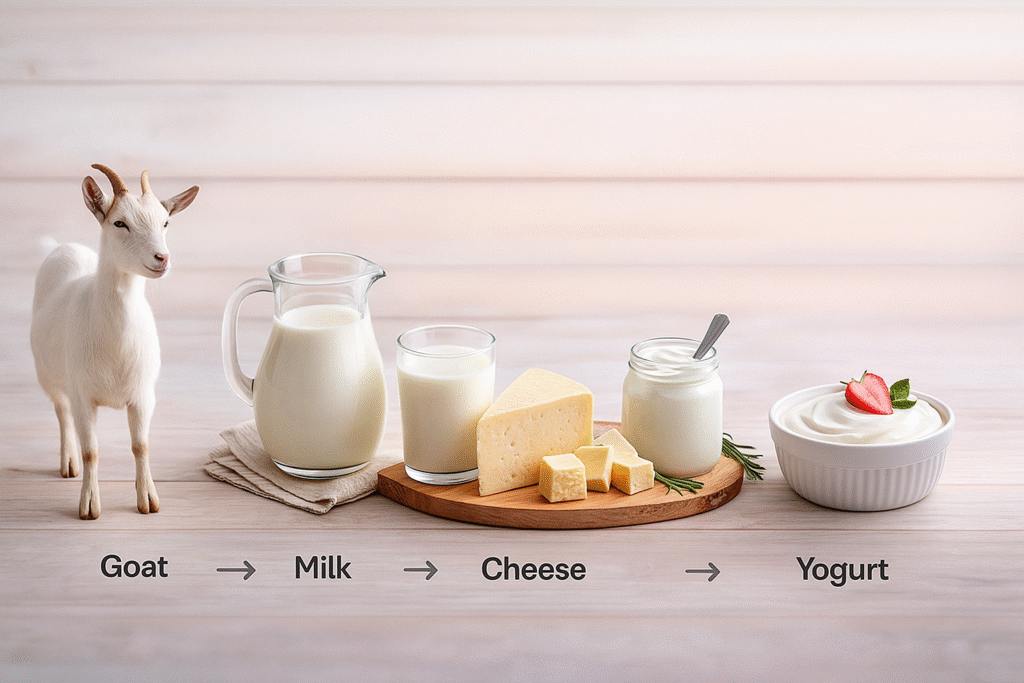
East African goats, including the Somali goat, Galla goat and Small East African breeds are hardy animals well adapted to the region’s drylands. They thrive under low-input systems and provide farmers with a reliable source of meat, milk and income throughout the year. On average, local goats produce 0.5 to 2 liters of milk per day, depending on breed, nutrition and management. Over a full lactation period of 120–180 days, a well-managed goat can produce between 60 and 200 liters of milk.
A Continuous Source of Income
Goats reproduce quickly, with short kidding intervals and the potential for twins or triplets. This ensures continuous supply for meat, milk and live-animal markets. Farmers can sell goats at any time to meet urgent household needs such as food, school fees, medical bills, or farm inputs. This financial flexibility is a major advantage over cattle and camels which require longer production cycles.
Goat production provides diverse and reliable income sources for rural households across the Horn of Africa. The most common is the sale of live animals which offers quick cash throughout the year and peaks during festive seasons and export demand. Goats also generate income through milk and simple value-added dairy products such as yogurt, fermented milk, soft cheese, flavored milk and ghee all of which fetch higher prices in urban markets and are especially accessible to women and youth. As goat meat is naturally lean and lower in fat, many health-conscious consumers prefer it over other red meats, making it increasingly popular in both local and export markets. In urban markets such as Hargeisa, one kilogram of ghee or butter sells for about $16.5, showing how value addition from goat milk can generate strong income for households.
Frequent kidding cycles create a steady supply of kids for sale, providing continuous cashflow even with small flocks. Additional income comes from meat and carcass sales, breeding stock, and manure which is widely used as organic fertilizer. Even by-products such as skins and horns contribute small but meaningful revenue. This combination of multiple income streams makes goat production a resilient livelihood, ensuring households have dependable financial support even during droughts or emergencies.
Strong Domestic and Export Demand
Goat meat is highly consumed across the Gulf countries and the Horn of Africa remains a major supplier. Demand increases during festive seasons such as Hajj and Ramadan, creating strong market opportunities. Locally, goat milk is gaining popularity due to its digestibility and nutritional benefits, making it a valuable product for households and small enterprises. In pastoral communities, goat milk is especially valued for its digestibility and nutritional richness, and is commonly provided to elderly people, children and pregnant women to support their health and dietary needs.
Low Investment, High Return
Compared to cattle or camels, goats require lower capital investment, smaller grazing areas and less feed. Their manageable size allows farmers, including women and youth to start small flocks with minimal resources. With proper management, goat production offers one of the highest returns on investment in the livestock sector.
The capital invested in goats can be rotated several times throughout the year, offering fast turnover and making it an ideal self-employment opportunity for women and youth. They often purchase low-weight or low-grade goats, keep them for a short period with minimal inputs and then resell them once the animals reach market-ready weight. This simple cycle provides steady income, low risk and continuous opportunities to grow their small enterprises.
Therefore, it is advisable for banks and financial institutions to inject seed capital into youth and women who are already active in the goat markets. With proper preparation of the requisite business information and simple financial training, these groups can scale their small enterprises, increase turnover and strengthen their role in the livestock economy.
This “hidden white gold” can be divided into several segments across the goat value chain, with each segment creating employment for different actors. Fresh milk, yogurt, cheese, butter, manure as organic fertilizer, skins, meat for local market consumption and live animals destined for export all represent unique income streams. Together, they generate diverse job opportunities from producers and collectors to processors, traders and transporters. This avenue can be especially capitalized on by energetic youth who source goats from rural areas, upgrade their condition and supply them to urban markets or export channels, turning a simple livestock activity into a dynamic livelihood opportunity.
Local Success Experience: Urban Women Goat-Finishing Enterprise
Across several urban centers, women have developed a highly effective and profitable goat-finishing model that transforms low-value, underweight animals into premium-grade market goats within 60–90 days. This practice has become a respected micro-enterprise, offering steady income and empowering women economically.
Sourcing Undervalued Goats: Women typically purchase low-weight and emaciated goats from livestock markets. These goats are often malnourished, dehydrated and Low in market grade. Because of this, they are bought at very low prices, making them ideal for rehabilitation and finishing.
Rehabilitation & Care Phase (60–90 Days): Once transported to urban homes or small holding areas, the women provide dedicated daily care, resulting in rapid recovery and growth. The inputs used include:Adequate feed (scraps, crop residues, concentrates when affordable), Cooking oil (improves energy density of feed), Salt (balances minerals and stimulates appetite), Local soil “Carro” (traditional mineral supplement rich in trace elements), clean water at all timesand better sanitation and hygiene compared to rural conditions.
With improved nutrition, housing and health management, the previously thin goats show remarkable changes:
- Stronger immunity
- Improved coat and body condition
- Higher market grading
- Faster weight gain
Transformation & Market Advantage
After 2–3 months of finishing, the goats completely change in appearance and quality: muscled bodies, shiny coat, good fat cover and consistent weight suitable for urban consumers, hotels, and exporters. These upgraded goats command a premium price, often double the purchase cost. These emaciated goats are purchased from local markets for $25 to 30 and after proper care and feeding, are resold for $80–95, with prices sometimes rising above $100.
Profit & Reinvestment Model: After selling the finished goats, the women immediately reinvest the earnings to purchase more emaciated goats often five or more at a time from the same livestock markets.
This cycle of: Buy low → rehabilitate → sell high → reinvest creates a continuous and sustainable income stream.
Why This Local Model Is Successful
- Requires low startup capital
- Uses local knowledge and natural resources
- Takes advantage of price differences between rural and urban markets
- Fits well with women’s traditional household roles
- Delivers quick turnover every 2–3 months
- Highly scalable, women can expand from 2–3 goats to dozens over time
Proven Impact
This local goat-fattening practice has become a trusted micro-enterprise, enabling women to:
- Support their families
- Pay school fees
- Build savings
- Expand into other livestock activities
- Strengthen urban household food security
For the young unemployed graduates
When 5 to 10 young entrepreneurs come together to purchase goats for meat production and they prepare structured system for resale and they create a powerful pooled investment system, it lowers individual risk and increases overall business capacity. For example, if each member buys 15 goats, a group of 10 brings together 150 goats. With purchase prices ranging from $30 to $35 per goat, their total investment falls between $4,500 and $5,250. When resold at $80 to $100 per goat, the group generates $12,000 to $15,000, achieving a profit margin of $6,750 to $10,500 per cycle.
This model carries additional advantages such as collective experience, cost sharing and diverse innovations contributed by each member. These combined strengths significantly elevate the group’s agribusiness, boosting income, improving efficiency and building a sustainable, scalable enterprise.
Moreover, this is an untapped and largely untested market opportunity that unemployed new graduates can easily leverage. It offers a practical entry point into business, opening new market vistas and building the courage needed to start entrepreneurship. As the investment is shared, the business becomes less risky and during each cycle, members gain valuable market information and hands-on experience insights that guide and strengthen their next business decisions.
At the same time, such a business once built on a strong and organized foundation is well positioned to secure seed capital or growth financing from financial banks in their surroundings, enabling further expansion and long-term stability.
Opportunities for Value Addition
Goat production opens doors for small-scale processing such as yogurt, cheese, milk powder, leather products and packaged meat cuts. These value-added products can significantly increase income and reduce post-harvest losses, especially in urban markets and export-oriented enterprises.
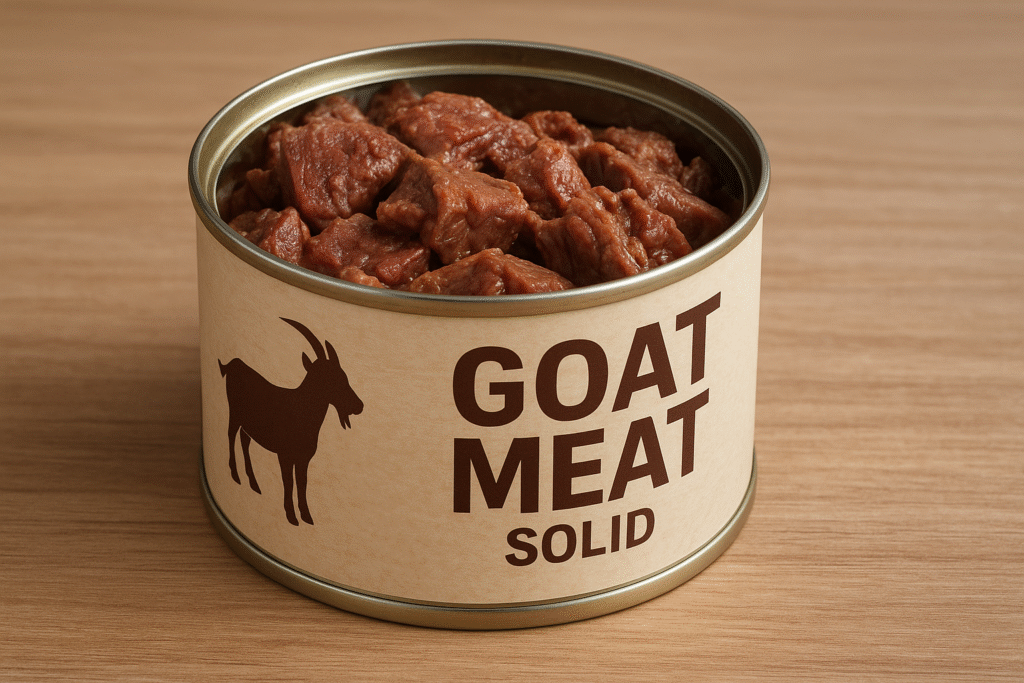
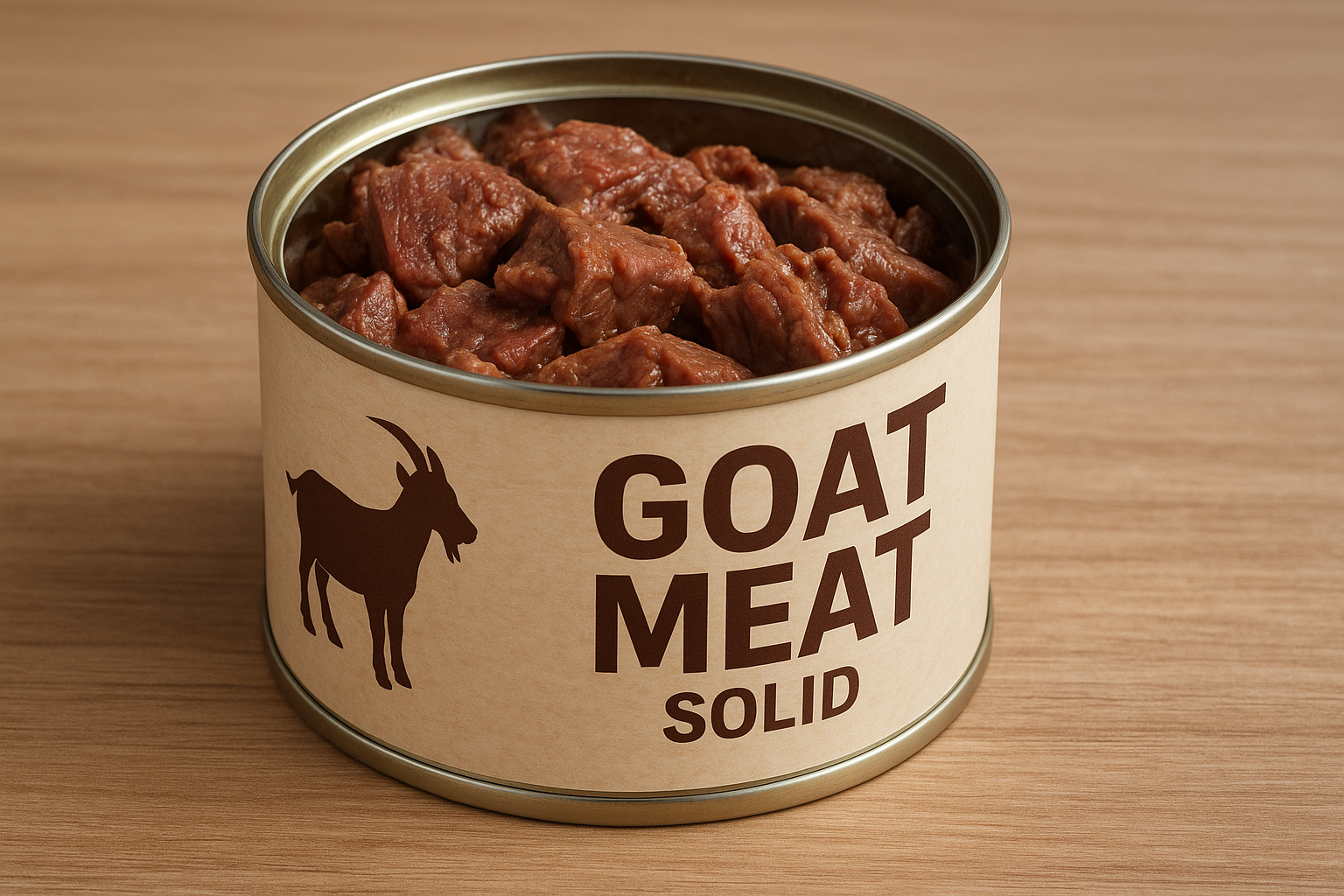
Another missing, but highly lucrative opportunity is the production of canned solid goat meat which significantly increases shelf life while ensuring high standards of hygiene and food safety. This value-added product has strong potential for urban markets, emergency food supply chains and even export, offering a new revenue stream for processors and investors in the livestock sector. Such a canned goat meat can be supplied to institutions like prisons, hospitals, schools, and military camps and is also convenient for travelers and livestock traders, as it offers a ready-to-eat, hygienic and long-lasting food option.
Butter can also be processed to maintain hygiene and extend its shelf life, making it safer for consumers and more profitable for producers through longer storage and wider market reach.
A Driver of Rural Development
By improving goat production practices, nutrition, health, breeding and housing, rural communities can achieve higher productivity and stronger resilience. Goat enterprises support job creation, empower women and strengthen food and nutrition security. In the long term, improved goat management contributes to a more stable and competitive livestock economy across the region.
Conclusion
Goat production is a dynamic agribusiness opportunity with growing demand and strong adaptability to local conditions. Strengthening this sector will boost incomes, create jobs, and enhance rural development across the Horn of Africa.
HLS is ready for your technical support and stands committed to equipping you with the necessary market information and emerging livestock opportunities.