
Prepared by: Dr. Farhan Ahmed Yusuf |Senior Livestock Consultant |Holistic Livestock Solutions|
1. Introduction: Living with Drought in the Drylands
Somaliland’s drylands are defined by variability. Rainfall is erratic, grazing resources fluctuate, and water availability shifts across seasons. Pastoralism remains the backbone of rural livelihoods and a major contributor to national income through livestock exports. Yet recurrent droughts continue to disrupt this foundation, eroding household assets and weakening economic stability.
Major drought episodes such as the 2011 crisis linked to the wider Horn of Africa emergency, the severe 2016–2017 drought and the prolonged 2020–2022 dry spells exposed structural weaknesses in national preparedness. These events were not isolated climatic anomalies; they revealed systemic vulnerabilities: overdependence on rain-fed rangelands, limited water infrastructure, insufficient feed reserves and absence of a coordinated national drought mitigation framework.
Recurrent shocks, particularly cyclical droughts, occurring roughly every three years, continue to devastate pastoral livelihoods. Livestock keepers who owned substantial herds only six months earlier can lose nearly everything within a single failed season, leaving them destitute and unable to produce their own food or sustain their families. This predictable yet insufficiently addressed pattern reflects a systemic failure to invest in proactive mitigation measures, such as strategic feed reserves, water infrastructure, early warning systems and herd management planning, resulting in repeated humanitarian crises instead of resilient pastoral production systems.
The challenge is no longer how to respond to drought, but how to live with it through long-term, proactive mitigation.
2. Lessons from Past Droughts
Repeated drought shocks have produced cumulative impacts:
Livestock Loss and Economic Collapse
During the 2016–2017 drought, large-scale livestock mortality drastically reduced household wealth. For pastoral families, livestock are not only income sources but also savings, insurance, and social capital. When herds collapse, recovery can take years.
Land Pressure and Rangeland Degradation
As grazing areas shrink, mobility patterns intensify pressure on limited productive zones. Unregulated enclosure expansion and settlement growth further reduce communal grazing areas, accelerating degradation.
Food Insecurity and Malnutrition
Reduced milk production and falling purchasing power undermine household nutrition. Drought-affected communities experience sharp declines in dietary diversity, increasing vulnerability among children and pregnant women.
Social Stress and Youth Unemployment
Livestock losses push youth out of pastoralism without viable alternatives. Urban migration increases unemployment, social frustration and exposure to informal or risky economic activities.
Resource-Based Conflicts
Competition over water points and grazing lands intensifies during drought years, increasing localized disputes between communities.
The key lesson is clear: reactive humanitarian response alone cannot stabilize pastoral systems. Structural risk reduction must precede crisis.
3. Current Local Coping Mechanisms
When drought hits, pastoral communities deploy reactive survival strategies rooted in tradition and necessity. These include:
3.1 Herd Mobility
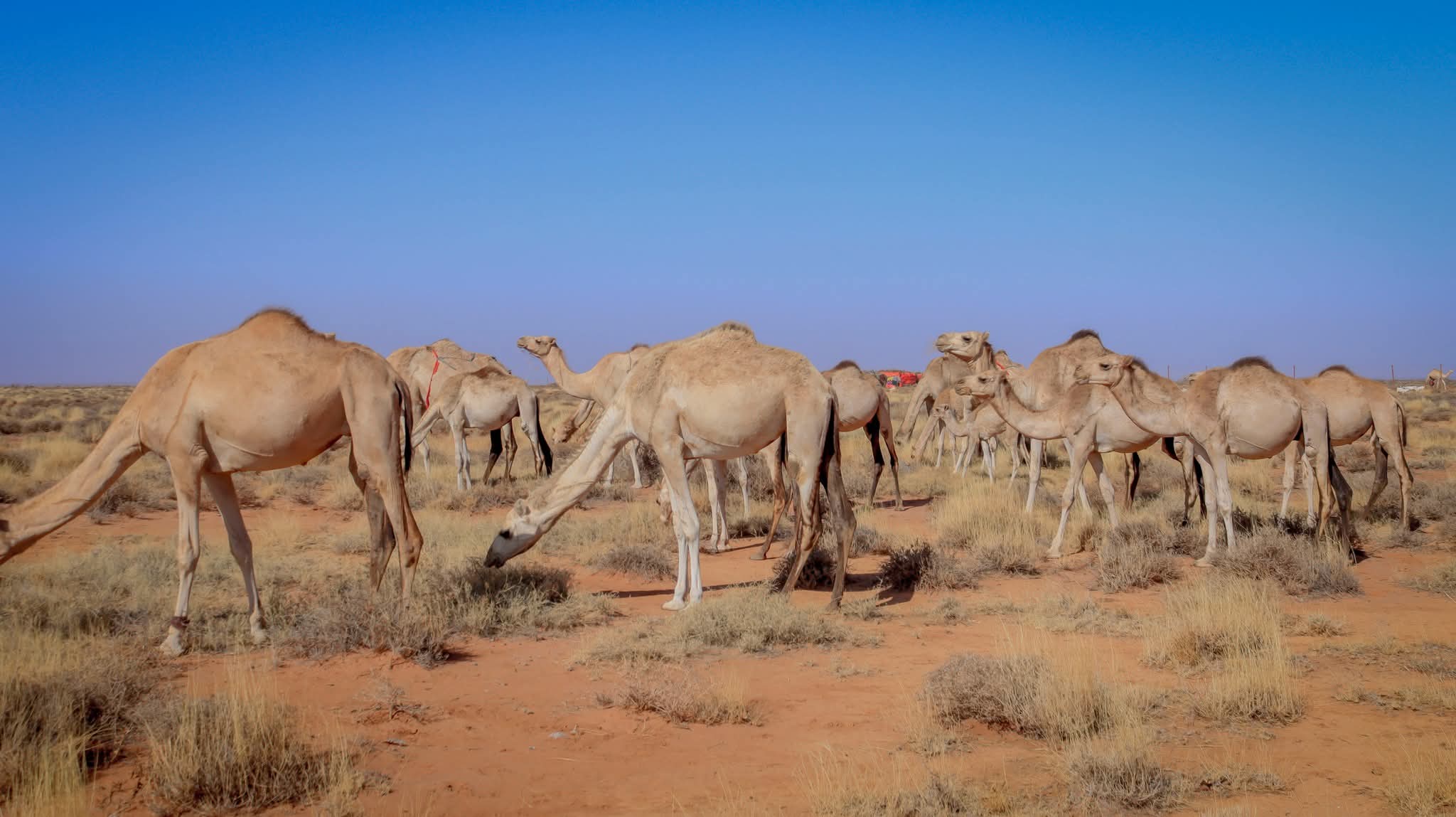
Pastoralists move livestock to distant grazing areas, sometimes crossing administrative boundaries. Mobility remains one of the most effective adaptive mechanisms. However, increasing land fragmentation restricts its effectiveness. One of the most immediate and severe consequences is the abnormal trekking of livestock across long distances in search of pasture and water. This not only weakens the animals, but increases their susceptibility to disease, ultimately reducing their market value and productivity. In parallel, entire households, particularly those dependent on mobile herding systems are forced to migrate unpredictably, disrupting children’s schooling, access to health services and traditional community systems.
3.2 Livestock Destocking
Some households sell animals early to prevent total loss. Yet without structured market systems, distress sales often occur at very low prices. The unavailability of affordable feed also leads to distress sales of livestock, often at a time when markets are flooded with underfed animals, causing prices to collapse. Ironically, even as animals are sold cheaply in rural areas, urban consumers face soaring meat and milk prices, a stark indicator of systemic failure. Overgrazing and uncontrolled movement into fragile ecosystems further degrades natural pastures, accelerating desertification and eroding the very resources needed for future recovery.
In such desperate times, a dangerous coping mechanism emerges: livestock are increasingly fed with human food such as maize, sorghum and household grains to keep them alive. While this may preserve valuable breeding animals, it leads to direct competition between humans and animals for scarce food resources. In low-income pastoral households, this practice worsens household food insecurity and malnutrition, especially for women and children.
3.3 Social Support Systems
Clan-based solidarity networks redistribute animals and share food resources. These informal insurance systems reduce immediate destitution, but are weakening under repeated shocks.
3.4 Charcoal Production
In extreme situations, households turn to charcoal production as a quick income source. While it provides short-term cash for food and water purchases, it accelerates deforestation, reduces rangeland productivity and worsens long-term drought vulnerability. The cycle becomes self-reinforcing: drought leads to tree cutting; tree loss worsens land degradation; degraded land intensifies future drought impact. it is a reinforcing chain of pressures that feed into each other and deepen vulnerability over time.
3.5 Casual Labor and Urban Migration
Youth migrate to towns seeking daily labor. This provides temporary relief but contributes to urban unemployment and social pressure.
These coping strategies demonstrate resilience, but most are reactive and environmentally unsustainable. A structured mitigation framework must strengthen positive strategies and replace harmful ones.
4. Strategic Drought Mitigation Measures
When considering livestock sector, a national wealth and economic power base, the national drought mitigation strategy for Somaliland must focus on five interconnected pillars.
4.1 Rangeland Restoration and Governance
Problem: Degraded grazing lands reduce resilience.
Actionable Interventions:
- Establish community-managed grazing reserves with rotational use systems.
- Enforce bylaws to regulate enclosures and prevent uncontrolled land privatization.
- Promote reseeding of drought-tolerant grasses such as Cenchrus ciliaris (Buffel grass).
- Introduce soil and water conservation structures in key valleys (berkads catchments and communal grazing zones).
Practical Example:
In parts of eastern Somaliland, community-owned grazing reserves have allowed pasture recovery after two rainy seasons, significantly reducing livestock mortality during subsequent dry spells. The typical positive examples include Aroori livestock grazing reserve and Ban Cawl seasonal grazing reserve.
4.2 National Feed Reserve and Fodder Production
Problem: Absence of feed buffer during dry seasons.
Actionable Interventions:
- Develop a national strategic feed reserve system managed through public-private partnerships.
- Promote irrigated fodder production in areas with shallow groundwater.
- Encourage private feed processing enterprises to produce drought-emergency rations.
- Introduce fodder banks at district level. Make use of the invasive plant species as feed.
Practical Example:
Small-scale fodder farms near seasonal water catchments have demonstrated that one hectare of irrigated fodder can sustain dozens of cattle during peak dry months, reducing distress migration in Wajaale environs.
4.3 Water Infrastructure and Groundwater Management
Problem: Water scarcity intensifies grazing concentration.
Actionable Interventions:
- Rehabilitate existing berkads and shallow wells before expanding new infrastructure.
- Conduct hydrogeological assessments before drilling boreholes to avoid aquifer depletion.
- Promote rainwater harvesting structures linked to rangeland regeneration. Mega dams.
Balanced water development reduces conflict and distributes grazing pressure more evenly.
4.4 Livestock Commercialization and Early Destocking
Problem: Distress sales reduce household income.
Actionable Interventions:
- Develop early-warning-triggered commercial destocking programs.
- Strengthen livestock market access and price information systems.
- Expand veterinary outreach to reduce disease during drought stress.
Early destocking converts animals into cash before condition deteriorates, protecting pastoral capital.
4.5 Diversified Rural Livelihoods
Problem: Overdependence on livestock increases vulnerability.
Actionable Interventions:
- Promote dryland-appropriate agriculture (sorghum, cowpea, legume, sesame pilot production).
- Support youth skills training linked to livestock value chains (feed processing, milk handling, veterinary services). Just like a shop or farm, livestock needs investment, management and planning to produce predictable returns.
- Develop women-led microenterprises in dairy processing.
Diversification reduces pressure on rangelands and creates alternative income streams.
5. Addressing Charcoal Dependency
Charcoal production must be addressed through transition rather than abrupt prohibition.
Policy Approach:
- Introduce alternative income programs in high charcoal-producing districts.
- Promote fuel-efficient stoves to reduce domestic charcoal demand.
- Support community woodlot establishment for controlled fuel production.
- Enforce regulations against commercial-scale illegal charcoal trade.
Mitigation must balance environmental protection with livelihood realities.
6. Institutional and Policy Recommendations
To shift from crisis response to resilience, Somaliland requires institutional reform.
6.1 Establish a National Drought Mitigation system
A dedicated body responsible for early warning, feed reserves, rangeland management coordination and inter-ministerial planning.
6.2 Develop or activate a National Drought Preparedness Policy
The policy should define trigger indicators (rainfall failure, livestock body condition index, market prices) and pre-agreed responses.
6.3 Integrate Climate Risk into Development Planning
All rural infrastructure investments should include drought risk assessments.
6.4 Strengthen Data and Monitoring Systems
Regular livestock population estimation and rangeland condition monitoring are critical for planning.
6.5 Promote Community-Based Governance
Local grazing committees should be legally recognized and supported.
7. Conclusion: From Vulnerability to Managed Risk
Drought in Somaliland is inevitable; disaster is not. The past decade has shown that repeated humanitarian interventions without structural mitigation deepen dependency and environmental decline. Livestock losses, youth unemployment, food insecurity and resource conflicts are symptoms of a system under unmanaged climatic stress.
A realistic and context-based drought mitigation framework must strengthen rangeland governance, establish feed reserves, regulate water development, commercialize livestock systems and diversify rural economies. At the same time, environmentally harmful coping mechanisms such as unsustainable charcoal production must be replaced with viable alternatives.
Somaliland possesses strong pastoral knowledge systems and community solidarity structures. By aligning these strengths with proactive national policy and practical investment, the drylands can shift from recurrent emergency to structured resilience. The choice is not whether drought will return, but whether the system will be prepared when it does.
HLS is your technical support arm, turning your livestock into a real, profitable business.