
Prepared by: Dr. Farhan Ahmed Yusuf |Senior Livestock Consultant |
Local Context
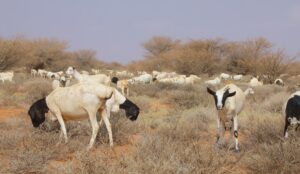
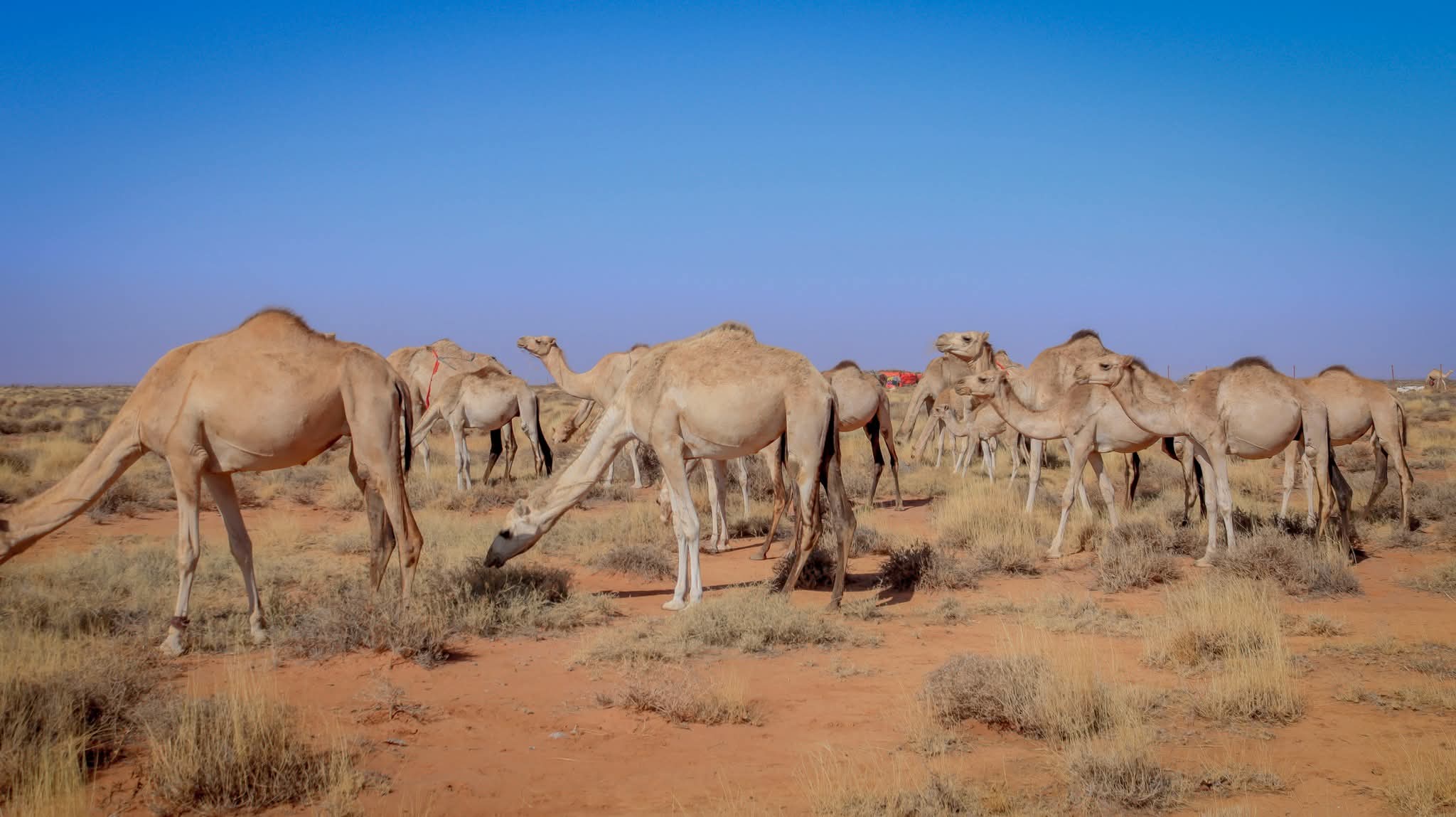
Somaliland’s rangelands form the backbone of pastoral livelihoods, supporting millions through livestock production. The ecosystem is fragile, rainfall is erratic, forage and water are limited and recurrent droughts exacerbate pasture degradation. Livestock is the main economic asset for households, providing milk, meat , hides and cash reserves. Yet, without structured grazing management and drought mitigation, the productivity and survival of both animals and pastoral communities remain critically threatened.
Somaliland is dry and hot most of the time, precipitation is less than 50mm annually and receives a bimodal rainfall pattern, most pastoral areas are water-stressed most of the year, even with bimodal rains. Berkedis and the communal Balleys are thekey water-harboring sites for livestock keepers.
Problem statement
Recurrent droughts in Somaliland present a cascading humanitarian and economic challenge:
- Severe feed and water scarcity reduces livestock survival and productivity.
- High livestock mortality erodes household wealth and food security.
- Human impoverishment escalates as pastoral income and nutrition decline.
- Rising poverty burden and malnutrition increase vulnerability.
- Degraded rangelands perpetuate ecosystem collapse and reduced resilience.
Unregulated grazing and absence of structured management amplify these problems, leaving pastoral communities trapped in cycles of environmental degradation, livestock loss and livelihood insecurity.
Historical Drought List in Somaliland
Early 20th Century (named severe droughts)
- 1914 – Xaaraame‑xune (Somaliland Economic –)
- 1924 – Hawaara drought
- 1934 – Adhi‑gaba drought
- 1944 – (Unnamed drought) (Somaliland Economic –)
- 1954 – Siiga‑case drought
- 1964/65 – Gaadhi‑gaadhi saar drought
- 1974/75 – Daba‑dheer drought
Late 20th Century
- 1984 – Dhibi‑jaale drought (major livestock losses) (Somaliland Economic –)
- 1994 – Soor & Biyo‑waa drought (significant dry period)
21st Century Recurring Droughts
- 1964 – Drought event identified in climate records (sonrrec.org)
- 1973–1974 – Severe widespread drought (sonrrec.org)
- 1979/1980 – Drought
- 1987 – Drought event
- 1991 – Notable drought (sonrrec.org)
- 2003/2004 – Drought phase (International Online Medical Council)
- 2006/2007 – Drought
- 2010/2011 – Severe drought with widespread impact
- 2016/2017 – Severe and prolonged drought
Recent Horn of Africa Drought Influence
- 2020–2023 – Widespread regional drought affecting Somaliland as part of the Horn of Africa drought (including very dry 2022)
- 2025- 2026– widespread Country drought effects, causing worry, uncertainty (feed and water scarcity for livestock). The growing strain on water trucking services is becoming apparent everywhere.
Proposed Solution
Establishment of strategic grazing reserves offers a sustainable solution.Livestock grazing reserves offer a structured, sustainable approach to mitigate these challenges. They combine ecological management, infrastructure and community governance to ensure reliable access to feed, water and veterinary support. Key components include:
- Designation of strategically located reserves for rotational grazing.
- Integration of water harvesting ponds, wells and troughs for livestock and household use.
- Introduce and sow drought-tolerant fodder species adapted to semi-arid conditions, Examples include Buffel grass, Mulato II, Mombassa grass, and drought-resistant legumes.
- Supplementary forage and fodder reserves to buffer drought periods.
- Access to veterinary services and livestock health monitoring.
- Community governance structures overseeing reserve use and maintenance.
- Restoration of indigenous shrubs, grasses and trees to improve ecological resilience.
How It Works
- Livestock are rotated within the reserve to prevent overgrazing.
- Water points and forage reserves ensure continuous access to feed and water even in dry seasons.
- Veterinary services reduce disease-related mortality and improve productivity, saving millions of livestock asset from preventable high death rate.
- Indigenous vegetation restoration strengthens soil fertility, pasture quality and biodiversity.
- Communities actively manage and maintain the reserve infrastructure, ensuring sustainability.
- Households benefiting from the reserve gain access to clean water and basic health support during high influx periods.
- Track the number of animals in grazing reserves and surrounding rangelands to support livestock population estimation, rotational grazing planning, and drought response strategies
Community Participation
- Labor contribution: during construction phase, locals participate in constructing and maintaining water points, bunds and fencing.
- Governance: Committees oversee grazing schedules, resource allocation and conflict resolution.
- Inclusive approach: Women, youth and vulnerable households are incorporated in decision-making, labor and management.
- Monitoring: Communities track livestock numbers, pasture condition and water availability.
Benefits
Grazing reserves generate multi-dimensional benefits:
- Livestock Survival: Reduced livestock mortality.
- Animal Health: Access to veterinary services improves productivity and reduces disease losses.
- Household Wellbeing: Pastoral families access clean water for humans and animals and basic health support during reserve influxes.
- Ecosystem Restoration: Indigenous shrubs, grasses and trees are rehabilitated, enhancing rangeland resilience.
- Employment: Local labor is engaged in construction, maintenance and management activities.
- Economic Productivity: Supports nutrition-rich, export-oriented livestock production, enhancing household income.
- Food Security: Continuous livestock productivity ensures milk, meat and other animal products remain available for local consumption and markets.
- Social Cohesion: Collective reserve management fosters collaboration and equitable access to resources.
Actionable Policy Recommendations
- Policy Integration: Recognize grazing reserves within national rangeland management frameworks. Recognize and implement livestock feed reserves as a national priority.
- Commitment: Commit substantial public investment toward the development and long-term management of national livestock grazing reserves.
- Infrastructure Investment: Support water harvesting, fencing, fodder production and processing machines, animal health facility and reserve maintenance.
- Conducive transport system: Provision of reliable, cost-effective and efficient transport systems to support operational logistics.
- Capacity Building: Train pastoralist associations in rotational grazing, drought management and ecological monitoring.
- Incentives for Stewardship: Provide financial or technical support to communities that sustainably manage reserves.
- Monitoring Systems: Establish simple data collection protocols for livestock health, forage availability and reserve usage.
- Rangers: Recruit and deploy qualified, well-trained rangers to ensure effective monitoring and enforcement.
- Scaling and Replication: Identify priority semi-arid districts for phased expansion of grazing reserves.
Grazing reserves in Somaliland are more than a technical intervention, they are lifelines for pastoral communities. By safeguarding livestock, restoring vegetation, providing clean water, supporting veterinary care and creating employment, these reserves protect livelihoods, reduce poverty and strengthen resilience against recurrent droughts.
With community ownership, ecological stewardship and supportive policy frameworks, grazing reserves transform fragile rangelands into productive, sustainable and resilient landscapes, ensuring that both humans and livestock thrive in the face of climatic uncertainty.
Holistic Livestock Solutions (HLS) is your technical support arm, ready to turn your pastoral and livestock development dreams into reality.