
Prepared by: Dr. Farhan Ahmed Yusuf |Senior Livestock Consultant |Holistic Livestock Solutions|
🗓️ 16th December 2025
Keywords
One Health program, Human health, Animal health, Plant health, Environmental health, One Health approach, Health and sustainability, Zoonotic diseases prevention and Integrated disease management.
Prologue
The health of humans, animals, plants and the environment is interdependent. Infectious diseases, antimicrobial resistance, climate change and food insecurity illustrate that health challenges are systemic rather than isolated. The One Health approach recognizes these linkages, advocating a multidisciplinary framework that combines epidemiology, veterinary medicine, plant pathology, environmental science and public health.
Misuse of Veterinary antimicrobials, such as unnecessary treatments, incorrect dosing, prolonged use, or routine prophylaxis without justification carry serious consequences that affect animal health, human health, theenvironment and livestock economies.
Veterinary antimicrobial misuse often causes hidden and undocumented problems that are not immediately visible at farm level or within routine surveillance systems. These problems silently undermine animal health, human health and plant health, creating long-term risks that are difficult to trace back to their original source.Veterinary drug residues represent another critical global concern with far-reaching implications for public health, food safety, trade and environmental sustainability.
This approach is crucial for preventing disease spillover, securing food systems and sustaining ecosystems.
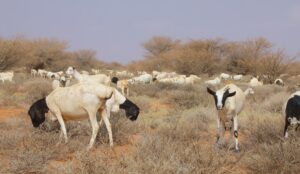
In semi-arid regions, drought reduces water and pasture availability. Livestock suffer from malnutrition; crop yields drop and human communities face hunger. This scarcity triggers overuse of remaining resources, further degrading soil and vegetation. The feedback loop weakens ecosystem services such as water filtration, carbon sequestration and pollination, threatening long-term sustainability.
As these resources become depleted,Limited water, arable land, or feed constrains food production. Scarcity intensifies competition between humans, livestock and wildlife.Thus, causing resource-Based Hurdles.
1. Understanding One Health
One Health is a transdisciplinary paradigm addressing health risks at the human-animal-plant-environment interface. It relies on:
- Integrated surveillance: Coordinated monitoring of infectious agents across species and ecosystems.
- Epidemiological modeling: Predicting disease emergence from animal and environmental reservoirs.
- Risk mitigation strategies: Combining vaccination, biosecurity, pest management and ecosystem protection.
Technical notes: Zoonotic pathogens such as Salmonella, E. coli, and Influenza A circulate among wildlife, livestock and humans. Without coordinated monitoring, these pathogens can cause localized outbreaks that escalate into epidemics. One Health enables early detection and predictive control by integrating veterinary, medical and environmental data. The primary benefit of the One Health approach is its ability to contain pathogenic microbes at an early stage, before they escalate into widespread animal, human, or plant health crises. By integrating veterinary, medical and environmental intelligence, One Health enables timely, evidence-based interventions that mitigate harm and protect economies and thus, prevents farms and authorities from costly reactive interventions.
2. Advantages of One Health
2.1 Human Health
- Zoonotic Disease Prevention: Coordinated vaccination and surveillance in animals reduce spillover risk to humans.
- Food Safety & Nutrition Security: Integrating plant and animal health ensures safe and nutrient-rich food, reducing microbial contamination and chemical residues.
- Health Systems Efficiency: Proactive disease control at the animal and environmental level reduces hospital burden and healthcare costs.
Example: Rabies control in canine populations demonstrates a quantifiable reduction in human mortality. The World Health Organization estimates that dog vaccination reduces human rabies deaths by >90% in endemic areas.
2.2 Animal Health
- Disease Control & Productivity: Vaccination, deworming and biosecurity practices reduce morbidity and mortality in livestock, enhancing production.
- Wildlife Health & Biodiversity Conservation: Monitoring wildlife disease ecology prevents transmission to domestic animals and maintains ecosystem balance.
- Antimicrobial Stewardship: Rational antibiotic use in animals reduces selective pressure for resistant bacteria, protecting human health.
Example: Integrated livestock disease monitoring for foot-and-mouth disease reduces outbreaks, preserves herd genetics and stabilizes local economies dependent on livestock.
2.3 Plant Health
- Pathogen and Pest Management: Disease-resistant varieties, integrated pest management (IPM) and precision agriculture reduce crop losses.
- Chemical Reduction: Targeted interventions lower pesticide usage, protecting soil microbiota and downstream water quality.
- Ecosystem Services Preservation: Healthy crops maintain habitats for pollinators and beneficial insects, supporting natural pest control.
2.4 Environmental Health
- Ecosystem Integrity: Healthy human and animal systems reduce environmental stressors such as overgrazing and chemical runoff.
- Pollution Mitigation: Coordinated management of pharmaceuticals, fertilizers and effluents preserves soil, water and air quality.
- Resilience to Climate Change: Biodiverse ecosystems are more resistant to droughts, floods and disease emergence.
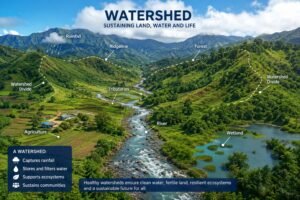
Technical note: Wetland ecosystems filter agricultural runoff, mitigating nitrogen and phosphorous loads, while simultaneously supporting livestock grazing and wildlife habitat.
Proper disposal of veterinary medicines and related inputs is essential to protect aquatic life. When disposed of correctly: Fish, crustaceans and other marine animals in ponds, rivers and sea are not exposed to harmful drug residues.
When veterinary medicines are thrown away in large quantities into seasonal rivers, they eventually wash into the sea, causing harmful effects:
Toxicity to aquatic life: Fish crustaceans and other marine animals are exposed to drug residues, which can injure or kill them.Disruption of ecosystems: Marine organisms that form the base of aquatic food chains are affected, altering the balance of the ecosystem.
Threats to human food security: Fish and other marine animals are essential sources of protein for humans. Contaminated or reduced populations compromise nutrition and livelihoods. Spread of antimicrobial resistance: Residues in water bodies can foster resistant bacteria, affecting both marine life and humans consuming seafood.
3. Interface Between Human, Animal and Plant Health
The interface represents the convergence of biological, environmental and socio-economic systems. It is the site of pathogen transmission, nutrient cycling and ecosystem interactions.
- Disease Transmission Pathways: Zoonoses, foodborne pathogens and vector-borne diseases cross species barriers.
- Nutritional Linkages: Livestock and crops provide micronutrients critical for human development; plant-animal-human interactions are essential for dietary diversity.
- Environmental Feedbacks: Soil degradation or water contamination affects both animal and human health, completing the feedback loop.
Technical note: Contaminated irrigation water can transfer E. coli from livestock to vegetables, demonstrating the soil-water-crop-human transmission pathway.
4. Everyday Applications of One Health
- Vaccinate pets and livestock to prevent disease spillover.
- Monitor crops and implement IPM to protect food supply.
- Apply safe food handling and hygiene standards to prevent microbial contamination.
- Use sustainable agricultural practices to maintain soil and water quality.
- Restore and conserve local habitats to enhance ecosystem resilience.
Each of these actions represents a point of intervention in the One Health system, interrupting transmission cycles, optimizing nutrient flows and preserving ecosystem services.
5. Consequences of Asymmetrical Balance
Imbalance occurs when one health domain is neglected, triggering cascading social, economic, and ecological effects.
Mechanisms of Disruption
- Human Health Neglect: Reduced workforce productivity undermines agricultural output.
- Animal Health Neglect: Livestock mortality diminishes nutrition, income and ecosystem services.
- Plant Health Neglect: Crop loss triggers food insecurity and economic stress.
- Environmental Degradation: Pollution and resource depletion exacerbate scarcity, increasing social tension.
Technical note A simultaneous livestock disease outbreak and crop pest infestation leads to compound food shortages, economic instability and heightened vulnerability to infectious diseases, demonstrating the synergistic effects of health asymmetry.
6. Conclusion
The One Health program is a systems-based approach that integrates human, animal, plant and environmental health. Maintaining balance across these domains:
- Prevents disease outbreaks
- Ensures sustainable food systems
- Promotes ecosystem resilience
- Strengthens community livelihoods
One Health is not merely reactive; it is predictive, preventive andparticipatory, using cross-sector data, modeling and evidence-based interventions to anticipate and mitigate complex health challenges.
The One Health approach promotes the establishment of robust, well-structured, and interconnected systems that protect natural resources through proactive and preventive measures, rather than costly reactive responses. When resources are safeguarded early, systems remain resilient and sustainable. However, resource depletion triggers cascading, resource-based constraints that rapidly evolve into complex and burdensome crises, capable of destabilizing entire systems. These disruptions do not remain isolated, they undermine food security, public and animal health, environmental stability, national security and economic performance simultaneously. Therefore, investing in One Health is not optional; it is a strategic imperative to preserve system integrity, reduce long-term costs and ensure sustainable development and societal resilience.
HLS is your trusted technical firm.