

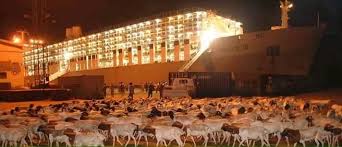
By Dr. Farhan Ahmed Yusuf | Senior Livestock consultant| Holistic Livestock Solutions
Livestock production is the backbone of the Horn of Africa’s rural economy, directly supporting the livelihoods of more than 50 million pastoralists and agro-pastoralists across the region. In Somaliland, Ethiopia, Kenya, Somalia, Djibouti, Eritrea, Sudan and South Sudan, Livestock is not just an agricultural sub-sector; it is the dominant economic engine, cultural identity, social insurance and the primary capital store for millions of households. Livestock contributes a major share of household income, national GDP, food security, employment creation and cross-border trade.
The region is one of the largest live animal suppliers to Gulf and Middle Eastern markets, with export of cattle, sheep and goats providing critical foreign exchange earnings and powering private sector-driven commercial value chains. When the livestock sector performs well, rural incomes rise, poverty declines, youth employment opportunities expand and national economies strengthen. When animal health crises occur, the shock penetrates deeply into household resilience, market stability and government revenue.
Therefore, protecting livestock health is not only a veterinary priority, it is an economic stabilizer, a national risk management strategy and a livelihood protection pillar for the entire Horn of Africa.
Risk-Based Animal Health Analysis
Risk-based animal health analysis is a systematic approach used to identify, measure and manage the likelihood and impact of disease threats affecting livestock populations. It focuses on understanding where risks originate, how they spread, which livestock systems are most exposed and what consequences they may produce at farm, market and national levels. By evaluating both biological and management factors, this approach allows decision-makers, veterinarians and farmers to allocate resources more efficiently, prioritize high-impact diseases and implement early preventive interventions before outbreaks become severe.
In pastoral and agro-pastoral systems across the Horn of Africa, risk-based analysis is particularly important because livestock mobility, climate variability, drought stress, cross-border trade and weak biosecurity systems create environments where disease transmission can escalate rapidly. Instead of reacting after animals fall sick or die, a risk-based model shifts the mindset toward anticipation, prevention, preparedness and resilience-building. This strengthens productivity, protects livelihoods, reduces economic losses and supports national veterinary services to maintain animal health standards for both domestic food security and export markets.
This approach also serves as a strategic launchpad to de-risk the livelihoods of livestock keepers, strengthen the livestock-based economy and reduce the need for costly emergency disease control interventions.
Principles of Animal Health Risk-Based Analysis
Animal health risk-based analysis is guided by several core principles that shape how disease threats are identified, prioritized and managed.
Evidence-based: Decisions within this approach must be grounded in scientific evidence, laboratory diagnostics, structured surveillance data and validated epidemiological trends rather than assumptions or speculation.
Early Detection and Early Action: The model emphasizes early detection and early intervention, where rapid recognition of abnormal health signals allows immediate containment before outbreaks lead to widespread transmission or costly losses.
Prevention Over Reaction: This approach prioritizes prevention rather than reactive crisis response, ensuring that attention and resources are focused on the highest-risk areas before problems escalate.
Prioritization of High-Impact Risks: resources are directed towards the highest-impact risks that can threaten production, public health, trade or export access. Attention and resources are given to livestock diseases that are highly destructive, zoonotic (transmissible to humans), disruptive to trade and export and those that threaten food security and income.
Systems Approach and Holistic View: It views livestock health through a holistic system, lens, considering production patterns, animal movement routes, market interfaces, feed systems, wildlife interactions, environmental influences, climate stress factors and human practices simultaneously. Because disease dynamics evolve with time, climate change, emerging vectors and shifting market demands. This approach does not focus on a single unit or issue in isolation. Instead, it considers the entire livestock production system, animals, humans, environment and management practices, recognizing that animal health, productivity, trade and public health are interconnected.
Continuous Learning and Adaptive Improvement: the risk-based approach embraces continuous learning, adjustment, feedback integration and adaptive improvement.
Stakeholder Participation & Shared Responsibility: Effective implementation requires active participation and shared responsibility among all livestock value chain actors, farmers, pastoralists, traders, CAHWs, veterinarians, laboratory systems, transporters, abattoirs, regulators and border control authorities, working together as one integrated surveillance community.
Transparency, Communication & Trust: Transparency, trust-based communication and timely information exchange remain fundamental to strengthening early warning systems.
Cost-Effectiveness & Efficient Resource Use: Finally, risk-based analysis recognizes economic reality, prioritizing interventions that are cost-effective, resource-efficient.
Trade-Sensitive and Market-Aligned: Risk-based analysis is aligned with trade-sensitive sanitary and phytosanitary requirements demanded by livestock importing countries SPS requirements, importing country standards, certification systems and the need to maintain export credibility.
WHAT
Identify animal health risks that can negatively affect livestock production, productivity and market value both for domestic markets and international export systems. This risk space includes major transboundary animal diseases such as Foot and Mouth Disease (FMD), Peste des Petits Ruminants (PPR), Rift Valley Fever (RVF), Lumpy Skin Disease (LSD), Brucellosis and Contagious Caprine Pleuropneumonia (CCPP), which have the capacity to rapidly cross borders and cause high mortality, severe production losses and immediate trade bans.
Risk also includes emerging or re-emerging pathogens driven by climate shocks, vector shifts, drought stress, new feed ingredient introduction and breakdown of immunity cycles. Nutrition-associated disease risks such as feed contamination (Aflatoxin B1), mycotoxins from poorly stored grains, heavy metals in industrial byproducts, pesticide residue build-up in crop residues, or improperly processed poultry byproducts represent major hidden health and economic hazards.
Additional risks arise from wildlife–livestock interaction zones especially in rangeland corridors, shared water points, migratory routes and grazing convergence areas where diseases like MCF, trypanosomiasis and RVF vectors can easily spill across species.
Management-related vulnerabilities such as overcrowding in commercial feedlots, poorly drained kraals leading to foot rot, weak vaccination coverage allowing disease circulation in the herd, uncontrolled mixing of livestock at open markets, lack of quarantine before animal purchase, inadequate manure disposal, unhygienic milk handling and weak disease reporting chains significantly increase the vulnerability and probability of disease establishment and spread.
Examples in Somaliland / Horn regional context:
Goats purchased from X corridor mixing with animals from region X live markets → high disease exposure risk.
Camel herds drinking from floodwater ponds in region X after heavy rains → elevated RVF vector exposure risk.
Stored sorghum feed in X feedlots absorbing moisture → high aflatoxin contamination risk
Cattle movement to export quarantine without pre-vaccination record → FMD transmission risk potential.
Wildlife mixing with livestock in district X rangeland corridors → may interface disease spillover risk.
Therefore, animal health risk identification is a comprehensive diagnostic exercise that considers disease biology, production system weaknesses, ecological drivers, climate influence, value chain movement, feed safety, wildlife interface exposure and governance gaps together, not in isolation.
WHY
Importing countries demand scientific health assurance, documented quarantine compliance, traceability, welfare standards and safe-food guarantees.
Preventing animal health risk is essential for protecting herd productivity, sustaining export markets, improving food quality and maintaining public health safety. Effective risk analysis reduces financial losses, stabilizes market confidence, improves national disease resilience and strengthens One Health outcomes across livestock, human health and environmental interfaces. The cost of prevention is always lower than cost of outbreak control. These factors directly determine market access, price premium and continuity of live animal export flows to Gulf markets.
WHO
Key actors include livestock farmers, commercial feedlot operators, pastoralists, traders, veterinarians, para-vets, animal health technicians, feed suppliers, transporters, abattoir staff, laboratory diagnosticians, quarantine personnel, community animal health workers and regulatory bodies such as the Ministry of Livestock / Veterinary Services, customs and border authorities. Each actor plays a specific role in surveillance, compliance, reporting and timely disease mitigation.
WHERE
Risk hotspots occur at all livestock movement and interaction points: production farms, communal rangelands, seasonal grazing corridors, migration routes, watering wells, fodder harvesting fields, livestock markets, holding grounds, quarantine stations, slaughterhouses, border checkpoints and long transportation routes (truck livestock corridor and maritime export routes via port). Disease spread accelerates most where multiple animal sources mix and where biosecurity controls are weak or absent.
WHEN
Animal health risk assessment must be a continuous routine activity conducted weekly, monthly and seasonally. Heightened vigilance is required during key trigger windows: onset of rains, drought stress periods, post-market mixing events, during vaccination campaigns, before export shipments, after new herd introductions and whenever unusual deaths, abortions, sudden drop in milk yield or abnormal clinical signs are detected.
HOW
The knowledge and awareness of veterinarians need to be strengthened to ensure they can effectively identify, assess and manage risks, implement preventive measures and advise livestock owners on best practices for animal and public health. Animal health risk analysis is conducted using systematic surveillance, early warning systems, sample testing, disease mapping, laboratory diagnostics, movement control policies, vaccination scheduling, quarantine procedures, feed safety checks, vector control, robust farm record keeping, community-level farmer sensitization, structured reporting pathways and rapid emergency response preparedness. Risk communication must reach farmers quickly and mitigation actions such as isolation, emergency treatment, ring vaccination, access restriction and biosecurity enhancement must immediately follow.
Community-based reporting systems and local collaboration are essential to prevent formidable livestock losses. When disease suspicion, unusual symptoms or abnormal mortality is detected at community level early, rapid reporting to veterinary authorities enables timely response, targeted containment and faster mitigation. Farmers, pastoralists, CAHWs, market actors, transporters, quarantine staff and extension officers become the front-line surveillance network, capturing signals before the pathogen spreads widely.
A strong bottom–up reporting culture supported by trust, simple communication channels, mobile reporting tools, village disease scouts and regular feedback loops from government and veterinary services greatly increases early-warning capability. This level of collaboration reduces outbreak severity, minimizes economic shock, protects export credibility and saves thousands of animals that would otherwise be lost due to delayed detection.
Capitalizing on digital media, modern telecommunications and mass media platforms significantly strengthens early warning, knowledge transfer and coordination capacity across the livestock value chain. These communication channels increase speed of information flow, shorten reporting delays, expand awareness campaigns and make risk communication more inclusive and targeted. When innovative communication approaches and long-lasting good practices are embedded, such as mobile SMS alerts, WhatsApp disease reporting groups, radio extension programs, e-learning micro modules, community tele-veterinary support and social media awareness drives the capacity of all actors is elevated. This increases vigilance at the right time, enhances preparedness and ensures stakeholders are sensitized, informed and proactive in preventing and responding to disease threats.
The strategic use of social media can play a constructive role in shaping positive attitudinal change within livestock communities. When used responsibly and with targeted messaging, social media helps accelerate the spread of good practices, enhances awareness on emerging disease risks, improves farmer-to-farmer learning and supports behaviour change through continuous low-cost information flow.
Risk-based approaches stimulate continuous attitudinal change within communities and reinforce a culture of proactive disease prevention rather than reactive crisis response. It becomes a continuous learning process grounded in evidence, feedback, experience and behaviour transformation. For this to be sustainable, decentralised systems, field-level diagnostic capacity, rural surveillance infrastructure and community-owned decision support mechanisms must be strengthened. When communities are empowered at the lowest level to assess risk, detect warning signals early and act collectively, resilience grows, losses reduce and the livestock sector becomes more shock-tolerant and adaptive over time.
HLS is your reliable technical firm for technical assistance ,capacity development and farm success trajectory.


By Dr. Abdirahman Saed as DVM, M.Sc. Vet. Epidemiology and Disaster Risk Management & Food System Resilience specialist,
Dear Dr. Farhan, this is a critical wake-up call for the region. We can no longer afford the luxury of a ‘reactive’ approach to animal health.
With the livelihoods of 50 million people and our vital access to Gulf markets at stake, a single undetected outbreak is an economic catastrophe we cannot weather. Transitioning to a risk-based, preventative model is not just a technical upgrade; it is an urgent economic survival strategy.
We must aggressively close the gaps in surveillance and biosecurity immediately. As you highlighted, empowering communities with digital reporting tools to flag threats early is the only way to protect our herds. We need the political and field-level will to execute this now before the next crisis hits. Excellent analysis.
Dr. Abdirahman Saed as DVM, M.Sc. Vet. Epidemiology and Disaster Risk Management & Food System Resilience specialist. Thank you very much for the comment on the analysis. What we direly need is to change the mindset of the people across the levels to adopt a responsive approach which is based on a proactive measure.